Lead PI
|
|
Glassell Family Endowed Chair in Marine Biomedicine and Professor of Marine Biology and Ecology
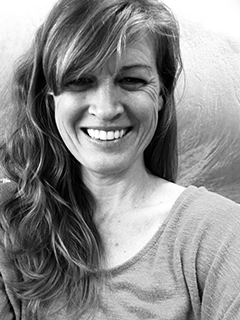
Dr. McDonald is a Professor of Marine Biology and Ecology at the University of Miami’s Rosenstiel School of Marine, Atmospheric, and Earth Science. She is also the Scientific Director of the National Aplysia Resource and the Director of the Glassell Family Center for Marine Biomedicine. Dr. McDonald’s research is focused broadly on physiology and toxicology, and how animals respond to environmental stress. While she works on marine animals, much of her research has applicability to human health and disease, including work that she has done on the stress response, serotonin dynamics, oil toxicology and exposure effects of polycyclic aromatic hydrocarbons, and whole animal responses to environmental stressors such as low oxygen (hypoxia). Dr. McDonald’s current research serves to determine the response of the California sea hare, Aplysia californica “Aplysia” nervous tissue and heart to reduced blood flow and blood oxygen as the animal ages. Dr. McDonald is an award-winning teacher and mentor, teaching several senior-level undergraduate courses and mentoring both undergraduates and graduate students in laboratory research. She feels that it is extremely important to communicate science in a fun, accessible way, with the goal of her educational and outreach activities always being the four E’s: to educate, engage, excite and empower.
Danielle's Google Scholar
dmcdonald@miami.edu
|
Current Lab Members
Duneia McManus
|

|
Postdoctoral Scientist
Present
Duneia's research interests center on understanding how immune dysregulation drives human disease and how innovative immune-therapeutic strategies can be leveraged to improve clinical outcomes, particularly in bone marrow transplant settings. Her training has been strongly influenced by work in transplant immunology, where she has conducted research on the dynamic interplay between innate and adaptive immune responses at mucosal barriers and in target tissues affected by graft-versus-host disease (GVHD). Ultimately, her goal is to lead an independent, interdisciplinary research program at the interface of environmental science, immunology, and equitable clinical care, while remaining deeply engaged in science communication and community advocacy for underrepresented populations.
dxm1064@miami.edu
|
Sejal Kumar
|
|
PhD Student
2024 — Present
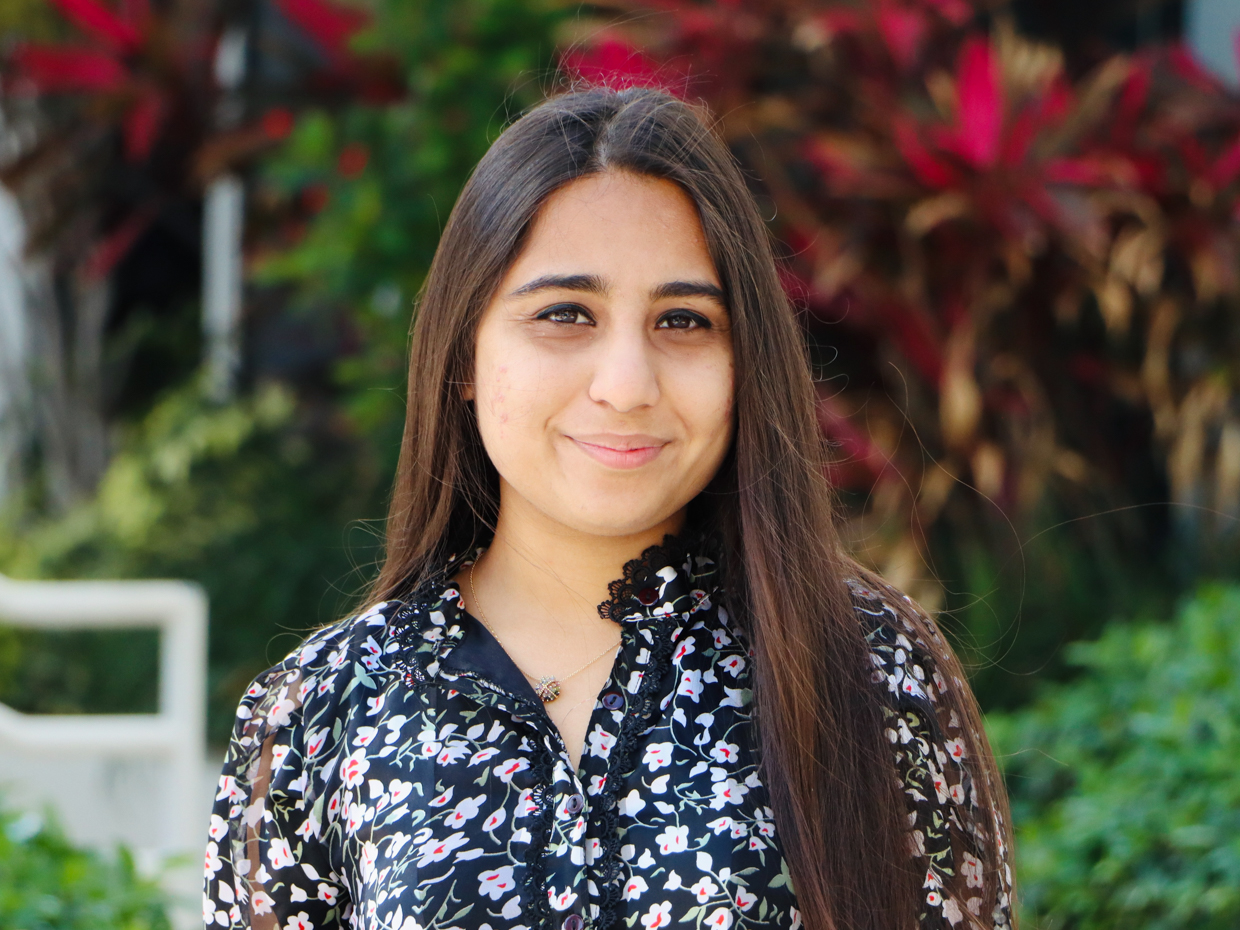
Sejal Kumar's research focuses on developing Aplysia californica as a model to study the enhanced susceptibility of the aged to ischemia-reperfusion injury. As part of this work, she is being trained in both in vivo and in vitro techniques using Aplysia, including performing microsurgeries and developing neural tissue preparations.
Sejal earned her Bachelor of Science in Marine Science from Amity University, India. She holds two Master of Science (M.Sc.) degrees—one in Marine Biology from Goa University, India, and another in Marine Environmental Management from the University of Exeter, United Kingdom.
sejal.kumar@miami.edu
|
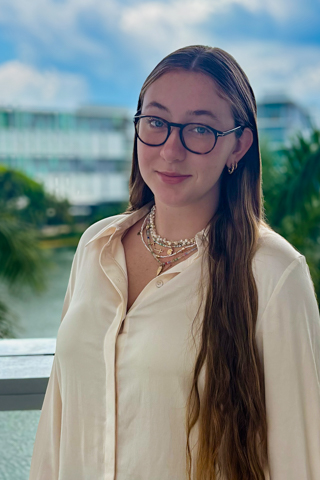
Sarah Leonard
|
|
MS Student
Present
sel176@earth.miami.edu
|
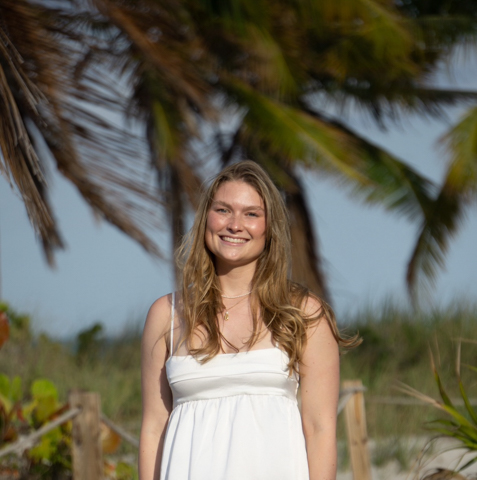
April Polk
|
|
Lab Assistant
2025 — Present
alp1515@earth.miami.edu
|
Catherine Toole
|
|
Lab Assistant
Present
cht49@earth.miami.edu
|
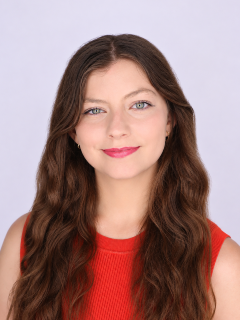
Eden Cunningham
|
|
Undergraduate Researcher
Present
elc158@miami.edu
|
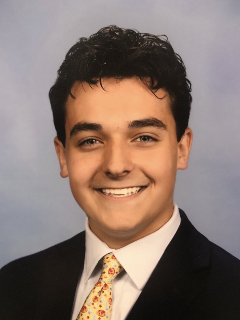
Andrew Rao
|
|
Undergraduate Researcher
Present
atr108@miami.edu
|
Logan Betz
|
|
Undergraduate Researcher
Present
ltb91@miami.edu
|
Anastasia Ippolito
|
|
Undergraduate Researcher
Present
axi450@miami.edu
|
Undergraduate Interns
Sophie Vieira Da Costa Neto
sxv856@miami.edu
Catherine Valeika
chv16@miami.edu
Lexi Klapes
ask77673@earth.miami.edu
Quinn Richards
qsr4@earth.miami.edu
Former Lab Members
Former Post Docs
Maria C. Cartolano, Ph.D.
Post Doctoral Associate 2018 - 2020
Matthew M. Alloy, Ph.D.
Post Doctoral Associate 2018 - 2019
Former Graduate Students
Anastasiya Plotnikova
PhD, 2020-2026
Anne Ryan
MPS, 2024-2025
Orianna Duh
MS, 2020-2022
Mary Shay
MS, 2020-2022
Jenna Shroyer
MPS, 2020
Emily Milton
MS, 2019-2020
Rumya Sundaram
MA, 2018-2021
John Sebastiani
PhD, 2018-2022
Maria C. Cartolano
PhD, 2013-2018
Molly H.B. Amador
PhD, 2013-2018
Alexander W. Frere
MS, 2010-2012
Lea R. Medeiros
PhD, 2007-2012
Former Undergraduate Researchers
Casey Leblanc
Gavin Doak
Reid Hirschhorn
Ali Donnelly
Zofia Kaleta
Kat Horrigan
Sthefano Orellana
Kaia Rodgers
Sasha Sypher
Izzy Nelson
Taylor Overy
Meghan Roberts
Allyson Sabatelli
Shannon Dickey
Landon Chen
Anna Barnard
Natalia Ruiz-Huidobro
Anastasiya Plotnikova
Yi Chng
Rachel Bookman
Jamie Tryba
Phallon Tullis-Joyce
Katie Kubicki
Aalekhya Reddam
Daniela Tizabi
Marissa Lobl
Jacqueline Coffey
Emily Nelson
Bethany Figiel
Haley Nicholson Gancel
Abigail Wisnet
Jennifer Panlilio
Joshua Lonthair
Sara Marin
Anthony Lange
Maria Cartolano
Brittney Macdonald
Kelly Kavanaugh
Courtney Alexander
Alyssa Gonzalez
Lara Yael Polansky
Former Lab Assistants
Mary Shay
Alyssa Gonzalez
Michael Morando
Caitlin Julian
Former Undergraduate Interns
Eden Cunningham
Andrew Rao
Logan Betz
Nicole Boardman
David Ganz
Reid Hirschhorn
Anastasia Ippolito
Kiori McPhee
Lucy Schwartz
April Polk
Catherine Toole
Casey Leblanc
Kat Horrigan
Zofia Kaleta
Taylor Overy
Katie Davis
Sabrina Del Rosal
Sydney Lineberger
Shannon Dickey
Eric Lohr
Kayla McCulloch
Sasha Sypher
Lindsay Weingart